
When you think about your garage door, you might focus on the opener, the springs, or the overall appearance. However, there’s an unsung hero in the world of garage doors – the rollers. These small, often-overlooked components play a crucial role in the smooth and reliable operation of your garage door. In this blog post, we’ll shine a spotlight on garage door rollers, exploring their importance, types, maintenance, and when it might be time for a replacement.
The Basics of Garage Door Rollers
Garage door rollers are small wheels that are attached to the sides of the door panels and roll along the metal tracks to open and close the door. They are essential for reducing friction and ensuring that your garage door operates quietly and efficiently. Here’s why they matter:
- Smooth Operation: Rollers are designed to move smoothly along the tracks, allowing your garage door to open and close with ease. When they function correctly, you won’t hear loud creaking or grinding noises. Worn rollers increase friction an can result in unexpected opener reversal or the garage door coming off track.
- Reduced Wear and Tear: Properly functioning rollers reduce friction between the door and the tracks. This minimizes the wear and tear on other components, such as the opener and the tracks themselves, extending the overall lifespan of your garage door system.
- Quieter Operation: Garage rollers, especially nylon ones, can significantly reduce the noise generated during the door’s operation. This is particularly important if your garage is close to bedrooms or living spaces.
Types of Garage Door Rollers
There are several types of rollers available, each with its own set of characteristics and advantages:
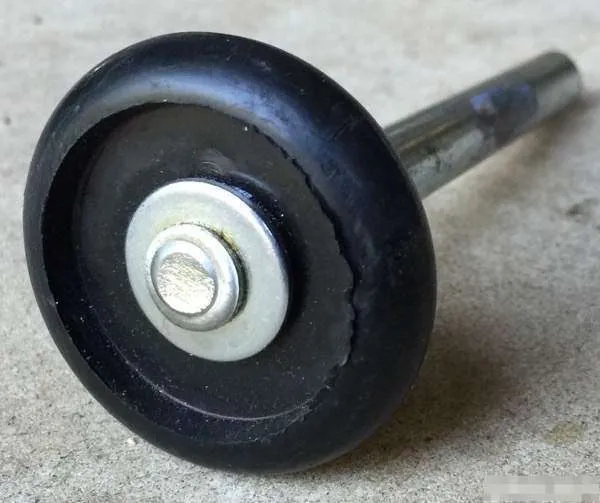
Plastic Rollers
Most new garage doors come with standard plastic rollers which is a plastic bushing on a steel stem with no ball bearings. Cheap and mass produced, they are popular only because they keep a new garage door system cost down. Over time, they get dirty and wear out faster than other roller types. You can expect 2-3 years out of these, which is usually less than the life of a garage door spring so it’s important to keep an eye on these.
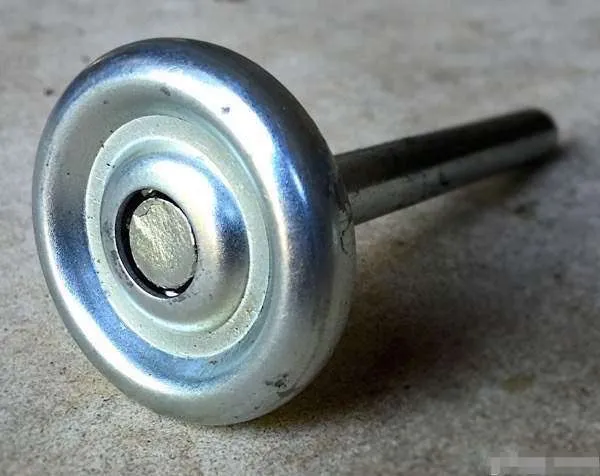
Steel Rollers
Steel rollers are durable and can handle heavier garage doors. They are a common choice for commercial and industrial garage doors. The ball bearings can and should be lubricated as part of a routine maintenance plan and can be expected to last over 5 years. The number of ball bearings varies with more bearings making for a smoother, more durable component. However, they can be noisier than nylon rollers.
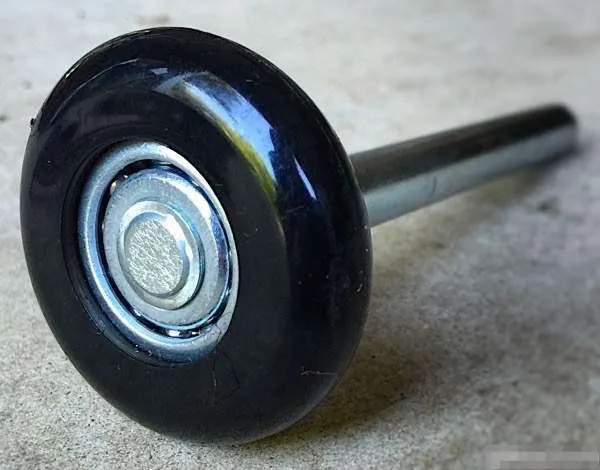
Nylon Rollers
These are among the most popular choices. Nylon rollers operate quietly, require minimal maintenance, and are resistant to rust. They are an excellent option for residential garage doors. Nylon rollers typically come with 10-13 ball bearings making for an even stronger component. These rollers are good for 10000 to 15000 garage door cycles which makes their lifespan similar to a standard garage door spring.
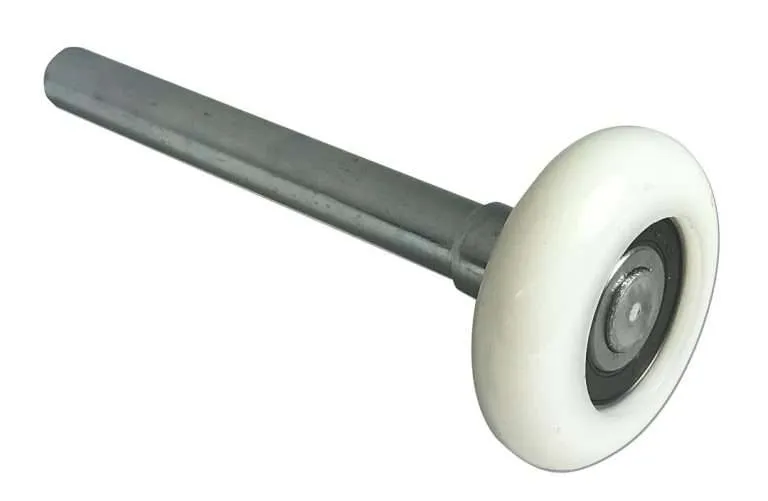
Teflon-Coated Rollers
Teflon-coated rollers offer smooth operation and are resistant to corrosion. They are a great choice for coastal areas or regions with high humidity. These rollers are durable and quiet and the sealed bearings means no dirt, moisture or other debris get into the bearings. These rollers are designed to last over 100,000 cycles with a 100lb load so these guys are going to last. They are the roller of choice for any heavy duty garage door system or garage door roller replacement.
Maintenance Tips
Proper maintenance can extend the life of your rollers:
- Regular Lubrication: Apply a high-quality silicone or lithium-based lubricant to the rollers and tracks every six months.
- Clean Tracks: Keep the tracks free of debris and dirt to ensure smooth operation.
- Inspect Rollers: Regularly check rollers for wear and damage, replacing any that are cracked or worn out.
- Tighten Hardware: Ensure all nuts and bolts are securely tightened.
- Balance the Door: Periodically check the door’s balance to reduce strain on rollers.
When to Replace Garage Door Rollers
Over time, rollers can wear out or become damaged. Here are some signs that it might be time for a replacement:
- Excessive Noise: If your garage door has become significantly louder during operation, it could be due to worn-out rollers.
- Roller Damage: Cracked, chipped, or visibly worn rollers should be replaced promptly.
- Difficulty Opening or Closing: If your garage door is struggling to open or close smoothly, it may be due to roller issues.
- Uneven Movement: If the door moves unevenly or appears to be tilting, it could be a sign of roller problems.
Conclusion
While garage door rollers may be small, they play a crucial role in the reliable and efficient operation of your garage door. Choosing the right type of rollers and performing regular maintenance can ensure that your garage door continues to operate smoothly and quietly for years to come. If you notice signs of wear or damage, call Keen Garage Doors to maintain the safety and functionality of your garage door.
